Best Tools For Managing Content Production Without Mistakes
Streamline your workflow with the best tools for managing content production. Discover how to eliminate mistakes and boost quality in every post.
The best tools you should have for a smooth content production workflow are:
- Nifty - for project management (first step)
- editGPT - for the final polish before publishing (last step)
Seeing a glaring typo right after you hit publish is the worst. Most content production teams struggle with missed deadlines and version confusion daily. This happens not because your team isn’t talented but because your workflow is broken and most probably scattered across different programs and apps.
Faulty processes cause mistakes. Hard-working teams fail when the system creates errors.
You need only one thing.
And it’s a proper end-to-end workflow powered by the right content management tool and content tools that work well with each other and smoothly connect every step from the first draft to the final sign-off. Your team needs a real, well-structured system that fixes these problems.
Read on to see what it takes to stop that last-minute panic.
What is content production?
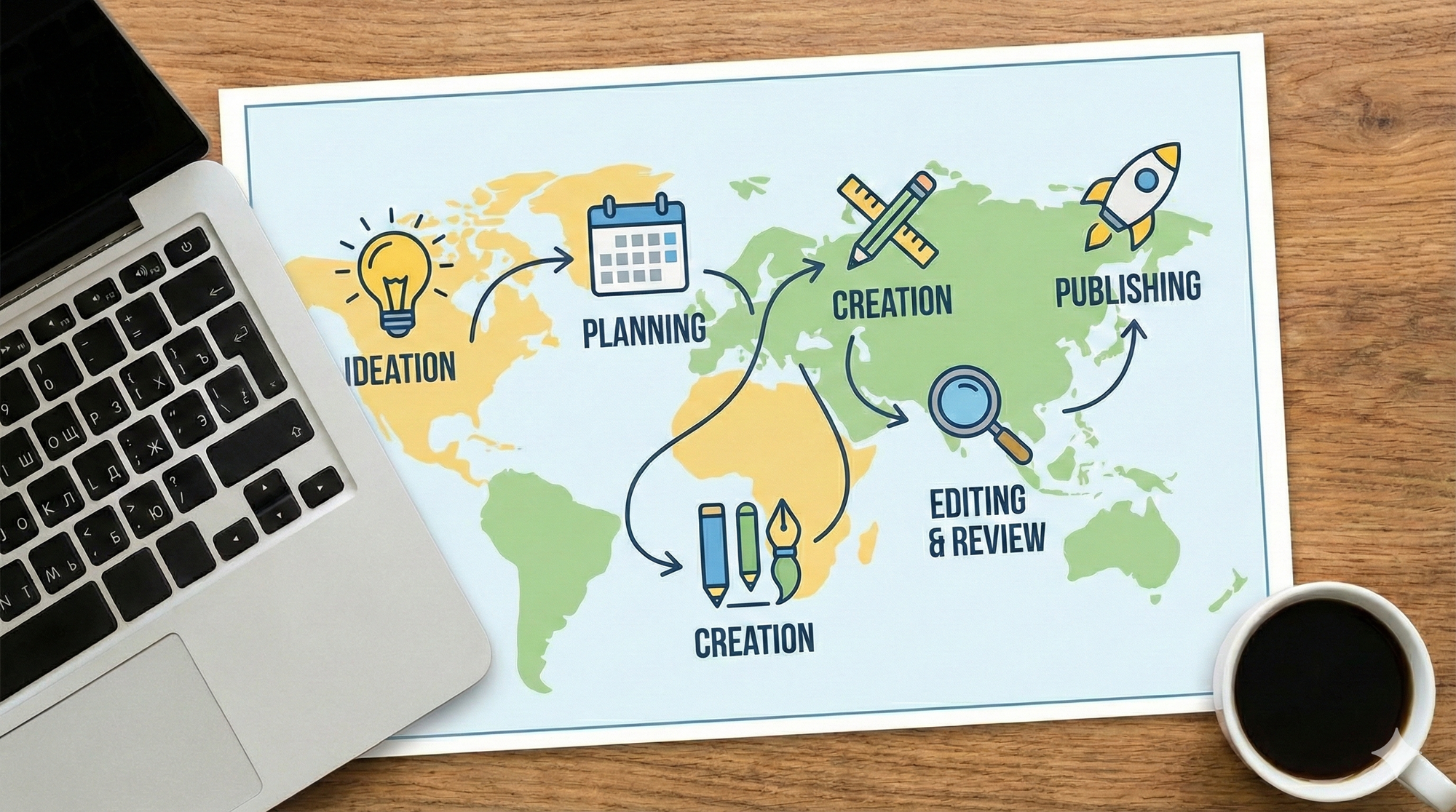
Content production is the actual work of turning marketing ideas into real assets that people see and use. This includes every piece of media your brand shares with the world. You’re producing social media graphics, video scripts, technical copy for email newsletters, and even managing contributions from a UGC platform to incorporate authentic customer-created content.
But content production isn’t just writing blog posts. It’s way more than that.
Significant work also goes into building website landing pages and large marketing campaigns. Long-form assets like detailed guides require a lot of coordination because they have many different requirements. These projects demand accuracy since they will represent your brand for a long time.
A professional setup treats these projects as a structured system.
Every idea follows a set sequence from the first draft to the final approval. This organized method stops tasks from being forgotten when your team gets busy.
Basically, you’re building a repeatable process that delivers high quality every time you publish.
The Complete Content Production Workflow From Idea to Publish
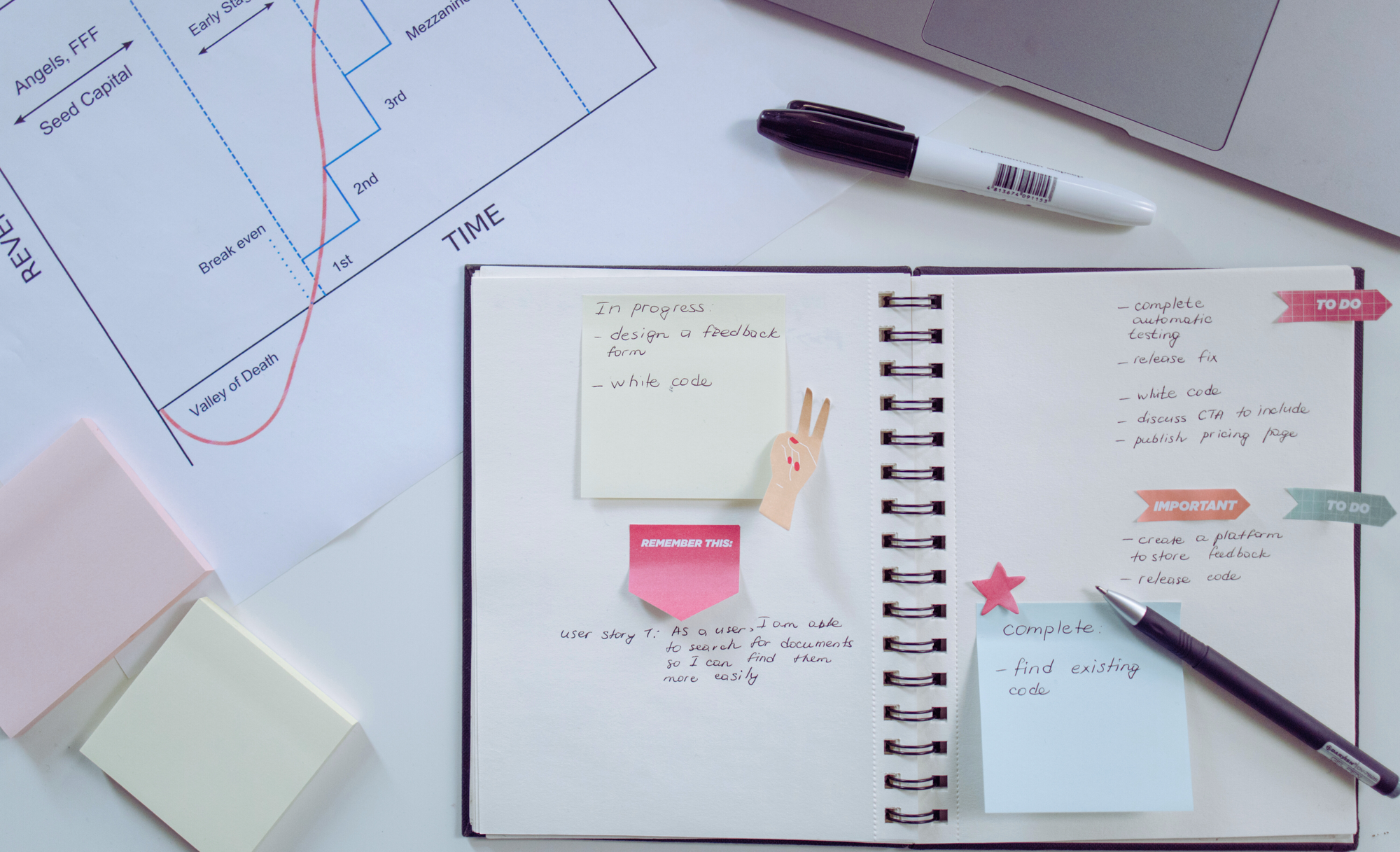
A simple content production workflow stops your team from repeating the same mistakes every week. This guide explains how to move a project from a rough idea to a live post without feeling overwhelmed.
Step 1 Planning and strategy
The very first step is where you handle the brainstorming and keyword research to build your content briefs.
A solid plan connects your daily tasks to your overall creative content production strategy. This keeps you from guessing what will work. You need to include creative content production needs early so designers and writers stay coordinated.
Remember that starting with clear goals keeps the entire end-to-end content marketing system moving in the right direction.
Step 2 Task assignment and timelines
Once you have a plan, you need to get the right writers, editors, and designers involved.
Setting a realistic content creation timeline helps everyone manage their workload. You want to assign owners to every task to stop delays before anyone even starts typing. Clearly defined deadlines prevent projects from stalling in the early stages and keep the whole process moving forward.
Step 3 Content creation and collaboration
This is where the team starts producing assets, and this usually involves managing multiple drafts and feedback loops. Without a structure, comments get lost in email chains or different document versions.
Most collaboration errors happen when people don't know who has the latest file. You need a central place to handle revisions and team feedback to keep the quality consistent across every piece of media you produce.
Step 4 Review and quality control
Reviewing the output is the final technical step in content production. Here, you’re checking for facts, tone consistency, and proofreading every single line.
This is the stage where the most embarrassing publishing errors actually slip through because most teams start to rush when they see the finish line. Taking the time for a thorough quality check stops these mistakes from reaching your audience. It also protects your professional image.
Step 5 Publishing and distribution
Getting final approval means the content is officially ready for the world to see. You schedule the post and check that all links and images work correctly.
This completes the cycle in your content production workflow and lets you move on to the next project. Proper scheduling helps you maintain a steady output so your audience always has something new to read.
Why Mistakes Happen in Content Production

Most errors in a published piece usually trace back to how the work was organized. You have a great team, but even the best writers trip up when the system is clunky. Here are the specific gaps that let these errors slide through.
Lack of visibility across tasks
It’s nearly impossible to hit a deadline when you have no idea what your coworkers are doing. Managers tend to guess on progress because status updates are buried in private DMs or different spreadsheets. You eventually find yourself apologizing for a delay that could have been spotted days earlier if the work was visible.
No single source of truth
And then we have the frustration of hunting through five different apps just to find a style guide. If your instructions are in an email and the draft is in a cloud folder, someone is going to use the wrong information.
This is why a central hub is important. It stops this constant searching and keeps every person on the team looking at the same data.
Manual handoffs and scattered tools
Relying on a manual ping or an email to move a project to the next person almost always fails.
Details get lost every time a file moves between different, disconnected platforms. You spend your whole afternoon copying and pasting info between tools instead of actually reviewing the work.
No defined production content workflow
Errors happen because there’s no official set of steps that every single project must follow. When every writer has their own personal way of finishing a task, the final quality becomes completely unpredictable.
The Best Tools for Managing Content Production Without Mistakes
Selecting your software works best when you assign each tool to a specific role in your production process. This method handles your daily schedule and your final quality checks so your team produces accurate work.
Nifty for content planning and production management
Nifty acts as the central command for your whole content production operation. It manages every single detail from that first brainstorm until the final approval is granted.
You can store your content briefs and calendars directly in the platform so you aren't hunting through a cluttered inbox for a missing file. This tool allows you to give specific tasks to writers and designers and set clear deadlines that everyone can track.
You can use Orbit AI within Nifty to map out project phases and handle those repetitive status updates automatically as tasks are completed. There’s a private discussion space for every project to handle revisions and sign-offs exactly where the draft lives.
This structure prevents the typical confusion that starts when your team is using too many disconnected apps at once. Stashing your documents and schedules in one spot gives you much better oversight of your publishing schedule. It makes managing a busy content calendar feel a lot more predictable for everyone on your team.
In short, Nifty can:
- Act as the central hub for your entire content production workflow
- Store all your content briefs and files in one easy spot
- Set up clear phases to keep your team hitting their deadlines
- Assign specific tasks so everyone knows what they’re doing
- Manage all your feedback and approvals in a single place
- Monitor milestones to see how your projects are moving along
Collaboration Tools For Execution
Next, we have the tools that let your writers and designers build assets together in one spot.
- Google Docs: shared writing.
- Figma: live design
- Notion: project wikis
- Slack: team chat
- Miro: brainstorming
- Loom: video feedback
- Canva: simple graphics
Working in a shared space means you never have to wait for an email attachment to arrive. You can keep a record of every change, which will stop you from accidentally deleting a paragraph. This setup makes it simple to bring on more people and increase your work volume without things getting messy.
editGPT as the final quality control layer
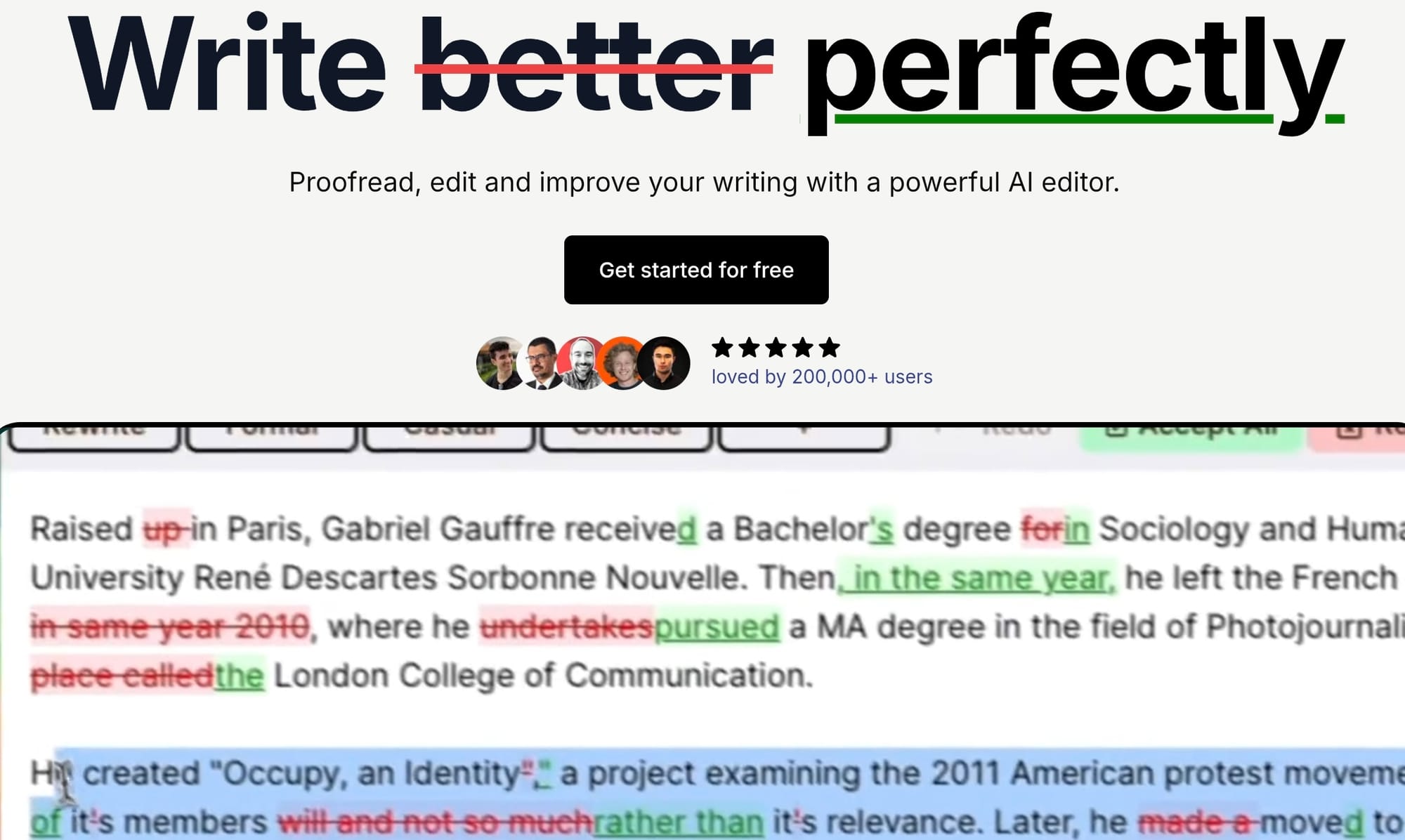
editGPT provides the final layer of professional polish that keeps your best ideas from getting lost in clunky sentences. And what’s better is it won’t make your content sound generic or robotic. It’ll preserve the nuance and tone you set for it.
This is the absolute last step you take before hitting that publish button.
You use editGPT to catch grammar slips and clarity problems while keeping your original brand voice intact. It handles the deep structural checks for logic and flow that basic planning apps often ignore.
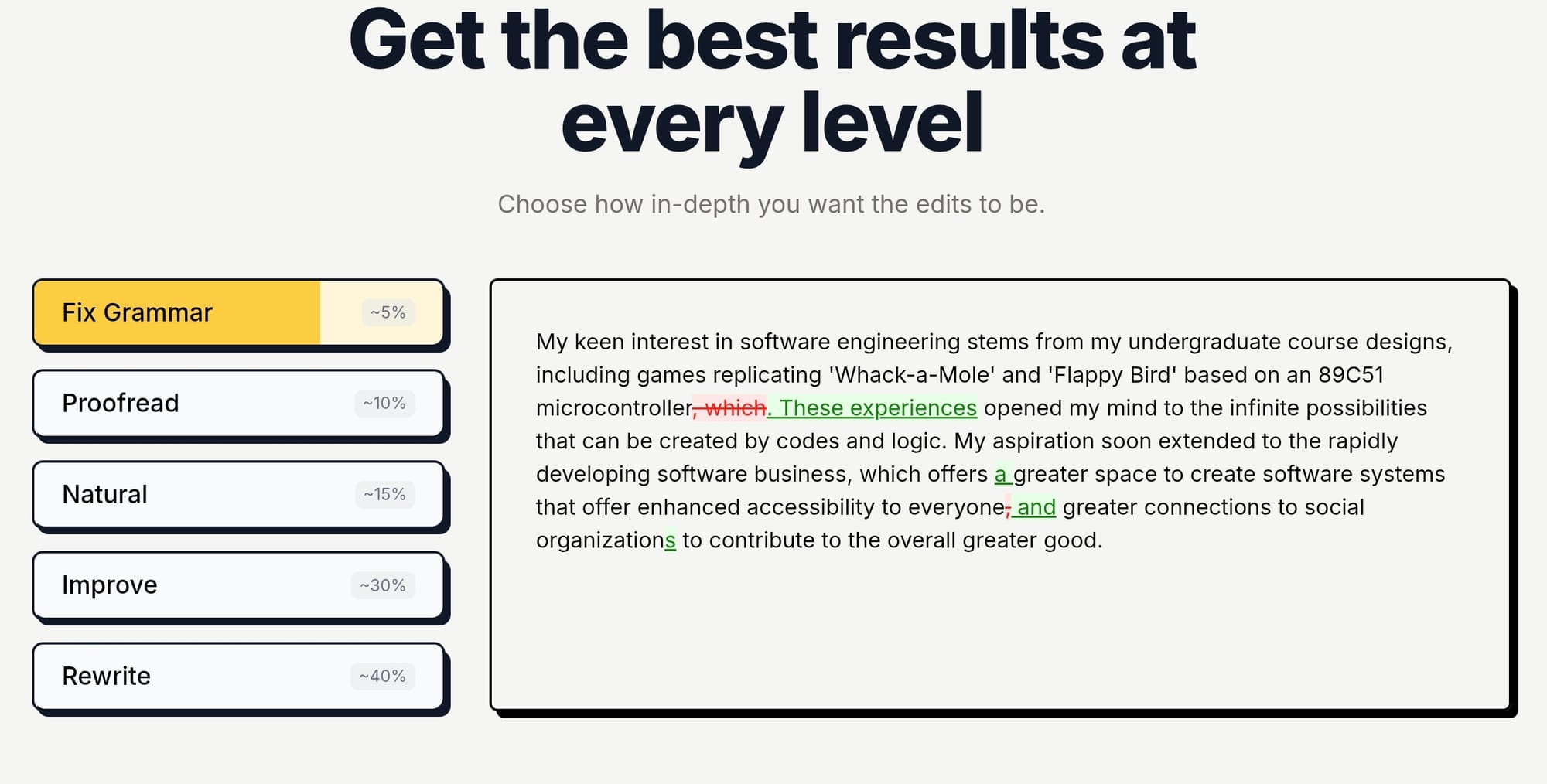
By working alongside your project management stack, editGPT secures your professional reputation with error-free output. You get a surgical level of editing that respects your intent without the robotic phrasing found in generic checkers. It turns a rough AI draft into a professional asset that keeps readers paying attention.
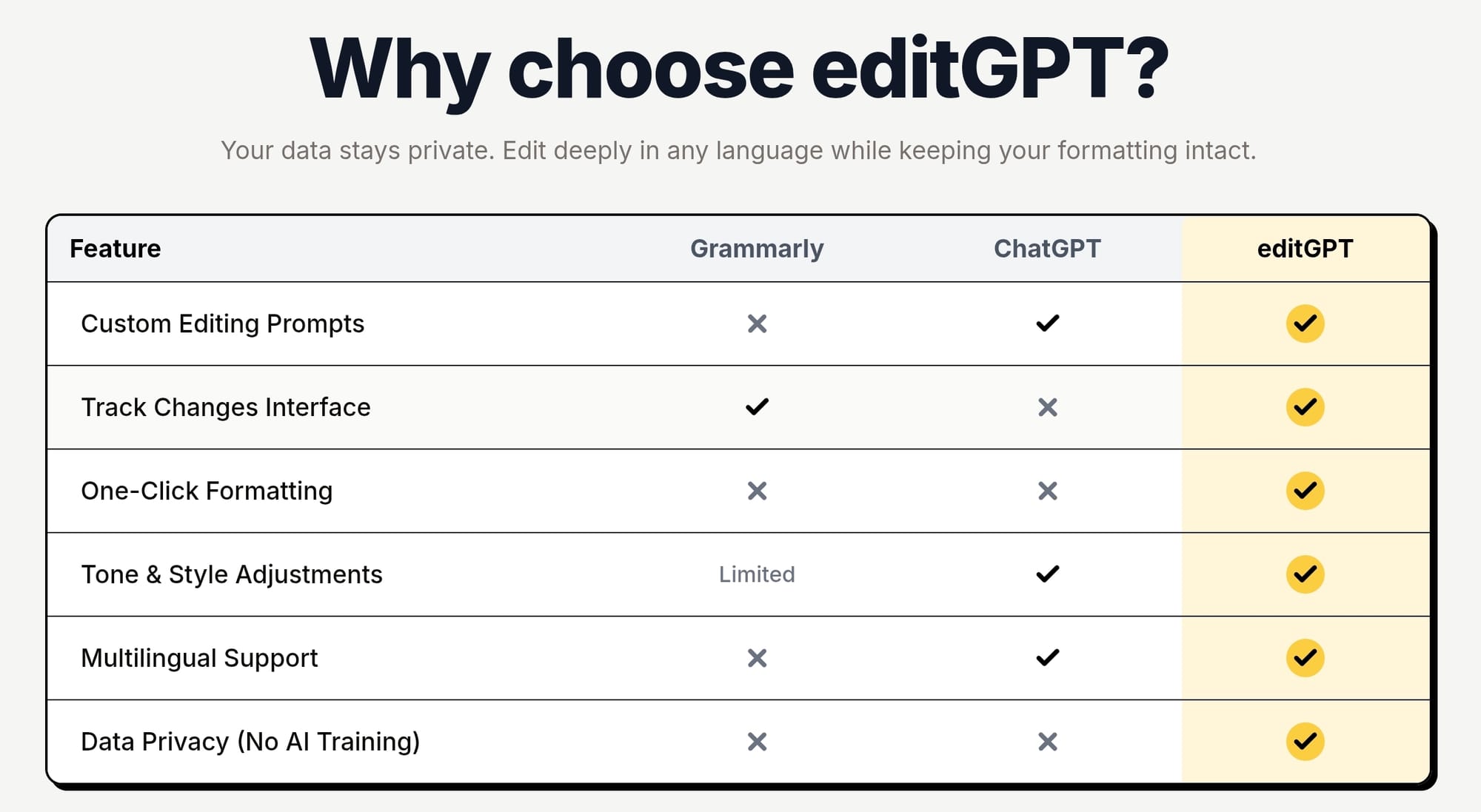
In short, editGPT can:
- Act as the essential final check for all your written production content.
- Fix grammar and clarity issues while preserving your personal tone.
- Improve the overall logic and flow of long-form articles or essays.
- Humanize AI-generated drafts by stripping away repetitive word patterns.
- Export your edits directly to Microsoft Word with every tracked change visible.
- Manage massive projects using specialized modes for books and long guides.
- Let your team collaborate over a content
The Ideal End-to-end Content Production System
Getting your system right means your team can stop worrying about the process and start focusing on the actual work. You want a setup where the project management side and the quality control side work together perfectly.
This creates a reliable path for every piece of work to follow so nothing gets lost or forgotten along the way.
A professional system starts with a central hub that holds every piece of data for your project. When everyone sees the same timeline, you avoid the typical last-minute rush that usually leads to messy mistakes.
The final part of this ideal system is the quality check that happens right before you hit publish. For this, you need a dedicated tool to review your drafts for logic, tone, and clarity issues that standard software misses. This step guarantees that your finished product sounds natural and professional.
Real-world scenario: A Brooklyn agency
A Brooklyn marketing agency building an "Electrician’s Guide to Smart Home Wiring" for a local contractor shows exactly how this works. They use this system to keep their projects moving through a busy work week without any confusion.
Here’s an example of the perfect end-to-end content production workflow.
- Kickoff in Nifty: After brainstorming and planning, the manager starts by creating a task and uploading the research notes directly to the project. This puts all the client requirements in one spot so the writer and editor never has to hunt for a missing attachment.
- Setting the timeline: Clear deadlines are added to the calendar for both the writing and design phases. The manager assigns the technical writing to a specialist and the infographic work to a designer so everyone sees their own responsibilities.
- Building the assets: While the writer drafts the advice in Google Docs, the designer creates the diagrams in Figma at the same time. They see each update live. This allows the designer to match the visuals to the text immediately without waiting for a final file.
- The editGPT polish: The editor runs the finished draft through editGPT to check for flow and tone. This catches awkward sentences and repetitive phrases that a basic checker would miss. It makes the technical advice easy to read while keeping the contractor's voice professional.
- Sign-off and launch: The editor uploads the final version to Nifty for the agency owner to review. Once they click the approve button, the project is scheduled for the blog. This completes the entire process without a single missed deadline or error.
How to Choose The Right Content Management Tool for Content Production
Finding the right home for your work means looking for a system that stays out of your way while keeping you organized. You want a tool that makes the daily tasks feel simple instead of adding more work to your plate.
What to look for in a content management tool?
Focus on a clean interface that lets your writers and designers get straight to work without looking for a manual. It needs to handle your media and text files efficiently while keeping the technical settings easy to find.
Support for full content production workflow
Your chosen tools have to manage the entire process from that first rough idea to the final live link. This provides a structured path for every piece of content so your team always knows the next step.
Visibility accountability and approvals
A good tool shows exactly who’s responsible for a task and who has the authority to give the final approval. High visibility prevents those awkward situations where a draft goes live before the editor has even seen it.
Ability to plug into quality control tools
You need a platform that works well with a final polish tool like editGPT to handle your quality control. This handles the grammar and tone checks that make your writing sound human and professional right before you publish.
FAQs
What is content production?
Content production is basically the whole process of taking a random thought and turning it into something people can actually read or watch online. You’re handling every little detail from that first research phase until the moment you hit the publish button on your site. It’s the engine that keeps your marketing going by turning your strategy into real articles, videos, or social posts.
What is a content production workflow?
Content production workflow is just the set of tracks your team follows so nobody ends up asking "what am I doing today" every five minutes. It maps out exactly who is writing, who is designing, and who gives the final okay before a piece of work goes live. Having these steps in place stops the project from stalling out or getting lost in someone's inbox.
Which step is the final one in content production?
The absolute last thing you do is the quality check and the official sign-off from the manager. This is your one chance to use a last minute polishing tool such as editGPT to spot a glaring typo or a broken link right before the public has a chance to see your work. Taking those few extra minutes for a final look keeps your brand looking professional and saves you from a lot of stress later on.
What tools are best for content production management?
You really need a combo that handles both the big-picture schedule and the actual quality of the writing. Nifty works well for keeping your team's tasks and files organized in one central spot without the usual clutter. Then, you use editGPT as your final editor to make sure your text sounds natural and stays completely error-free before you post it.
How do you improve content production efficiency?
The fastest way to get more work done is to stop hunting for lost files and stick to a repeatable set of steps every single time. When you use one central spot for feedback and let editGPT handle the final polish, you cut out all that annoying back-and-forth editing that wastes your afternoon. This keeps your team focused on the actual creative work instead of fixing the same small mistakes over and over.
Conclusion
A solid and well-structured system produces better results than simple effort ever does. You need a reliable sequence that moves a project from a draft to a successful live post.
Nifty does best the job of handling your team's project timeline, while editGPT provides the captivating and professional results you need. It polishes your sentences and catches the tone issues that basic spellcheckers ignore.
This final review makes sure your writing sounds human and natural. It makes every piece you publish look clean and professional.
Bottomline: It’s important to get the best of the best tools, especially in managing your whole content production workflow as well as in signing it off and polishing it to the stars.
Recommended Reading
What is the best AI Proofreader?
Top 10 Creative Writing Tools in 20206
Best AI Proofreader Tools of 2026 (Tested for Accuracy, Speed & Tone)
Best AI Proofreader Chosen by the Reddit Community
Video review: This AI Text Editing Tool Is FLAWLESS!
Best AI Proofreader Tools of 2026 (Tested for Accuracy, Speed & Tone) editGPT vs Grammarly vs Quillbot: Which Writing Tool is Best?
The Best AI Proofreaders That Actually Work (Free & Paid)
Review: Wordtune Editor vs editGPT
Review: Grammarly vs editGPT
Review: ProWritingAid vs editGPT
Review: Hemingway Editor vs editGPT